
Start with the symptom
Water is showing below a bathroom
Use timing and fixture history to plan useful access before repairing the surface.
Trace a ceiling stainLicensed general contractor · Bird Rock repair planning
A pipe repair can leave more work behind. AWC plans the leak repair, controlled access and affected surfaces together, with clear limits before you approve the work.
A useful first messageSend the visible damage, affected fixtures and any earlier leak-repair information.
See the AWC copper-pipe repair record →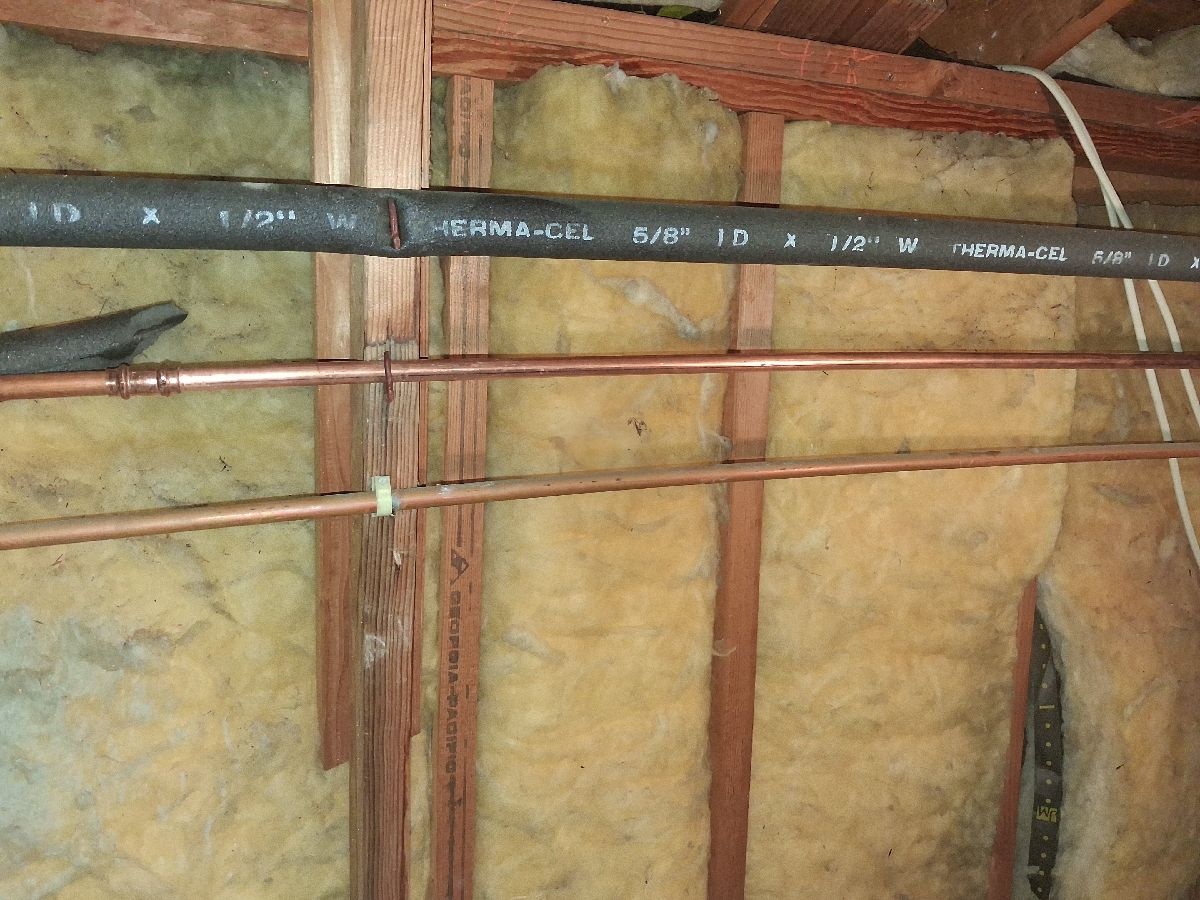
A repair is a sequence
The stages connect, but each has its own evidence and release point. This roadmap keeps a new pipe from being mistaken for a completed water-damage and finish scope.
Report
Source + access
Pipe
Moisture
Finish
Conceptual repair roadmap. Actual access, testing, drying, inspection, and finish needs depend on field conditions.
What are you seeing?
A stain, fixture-use leak, recurring mark, and shared-wall issue need different intake details. Select the closest condition to open a focused guide.
Start with the symptom
Use timing and fixture history to plan useful access before repairing the surface.
Trace a ceiling stainStart with the symptom
A timing pattern narrows the next check but does not prove the concealed source.
Use the timing patternStart with the symptom
Compare the earlier repair boundary with the new pattern before repainting again.
Reopen the source questionStart with the symptom
Set one contact chain and compare both sides before choosing an opening.
Coordinate shared accessA real AWC repair record
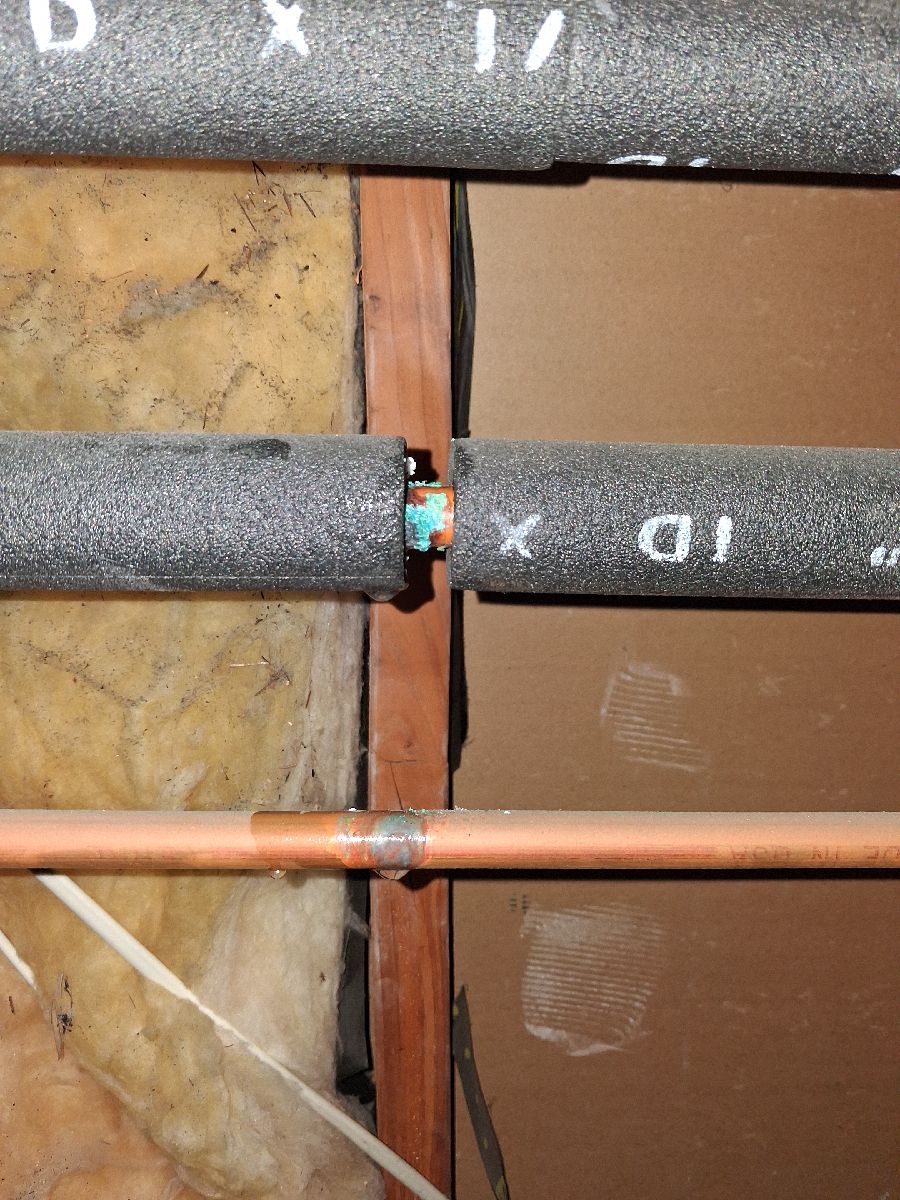
A documented AWC hot-water line repair shows why plumbing work, moisture review and ceiling restoration need separate handoffs.
The two photographs are earlier and later views from one AWC company record elsewhere in San Diego County. They are not presented as a Bird Rock project, a before-and-after promise, or proof of testing, drying, closeout, or ceiling completion.
Scope boundaries
A useful proposal says who owns each physical stage and what must be decided before the next crew starts.
| Part of the repair | What a written scope can include | Decision it should settle |
|---|---|---|
| Source and pipe repair | Reported symptom, accessible evidence, repair endpoints, responsible-trade verification | What piping work is supported and where that repair stops |
| Access and protection | Work-area protection, agreed opening, access constraints, cleanup boundary | Who opens the area and which surfaces are affected |
| Moisture review | Accessible affected-material review and any assigned monitoring or drying | What must be documented before a finish crew closes the area |
| Drywall and paint | Approved board, texture, primer, paint, and visible finish limits | Whether restoration is included, separate, or still unknown |
Completing one part does not confirm the others. Concealed conditions can change the approved boundary through a written change order.
The person behind the scope
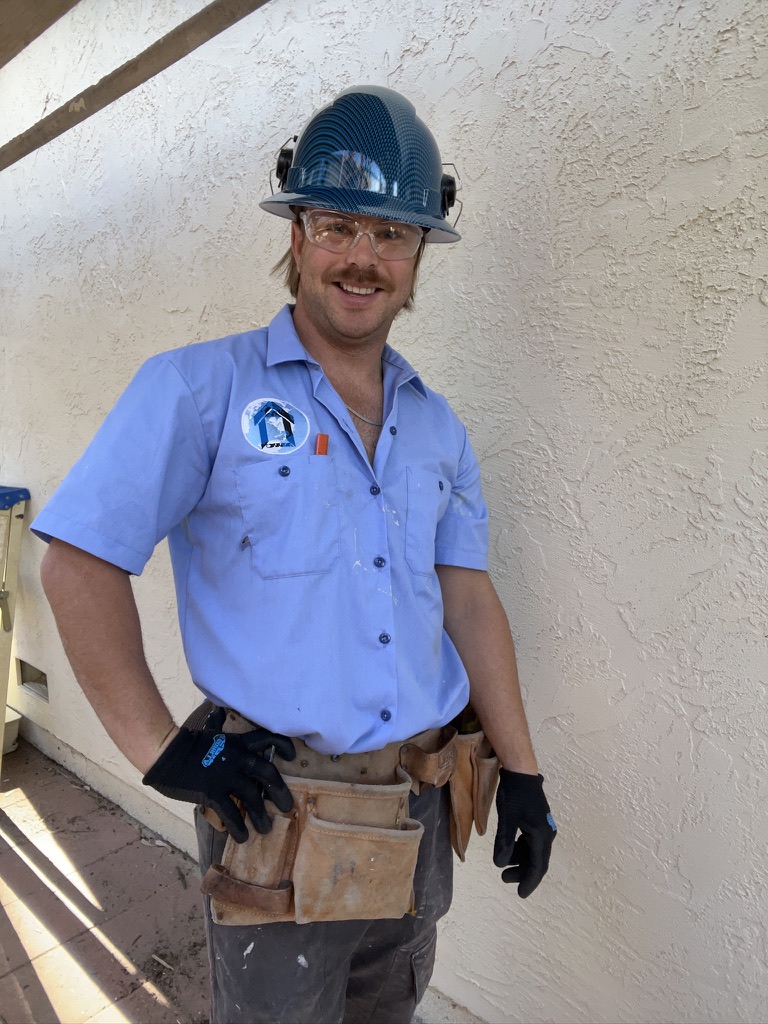
All World Construction LLC is owned by Austin Mitchell, CSLB #1063936. AWC handles multi-trade repair planning, so the conversation can include the pipe, the opening, affected materials, and the finish boundary instead of leaving those pieces implied.
Four useful starting points
Bathroom leak evaluation
Plan a safe evaluation of a ceiling stain below a bathroom before plumbing, drywall, texture, or paint work begins.
Use-related leak clues
Document a leak tied to fixture use and plan safe plumbing evaluation, access, testing, and finish restoration.
Multi-trade source review
Plan an evidence-based review when water may involve plumbing, wet-area waterproofing, or more than one building system.
Recurring symptom review
Use prior repair records and new observations to plan the next evaluation when a water stain returns.
Separate AWC jobsite footage
This drywall video is from a separate AWC job. It is included to show one part of the restoration conversation; it is not evidence from the featured plumbing repair and does not promise a repair time.
Watch “5 minute mud sets too fast!” on YouTubeFrom All World Construction
These two AWC articles cover leak access, affected materials, occupied-property documentation, and the repair-to-restoration handoff.
AWC article
How source review, affected materials and moisture checks shape access and closure decisions.
AWC article
Organize the first report, occupied-space access, documentation and the separate repair and restoration stages.
New owner guide
Does one copper pinhole leak mean the house needs repiping? One pinhole does not establish the condition of all concealed piping. A defined spot repair may fit an isolated finding, while repeated failures or concerning exposed conditions deserve a broader comparison. Record dates, locations and hot- or cold-water history. Compare included pipe sections, testing, water shutdowns, access openings and finish restoration before choosing the scope.
Read the guide