
Multi-trade source review
Separate the water symptom from the responsible system
Plan an evidence-based review when water may involve plumbing, wet-area waterproofing, or more than one building system.
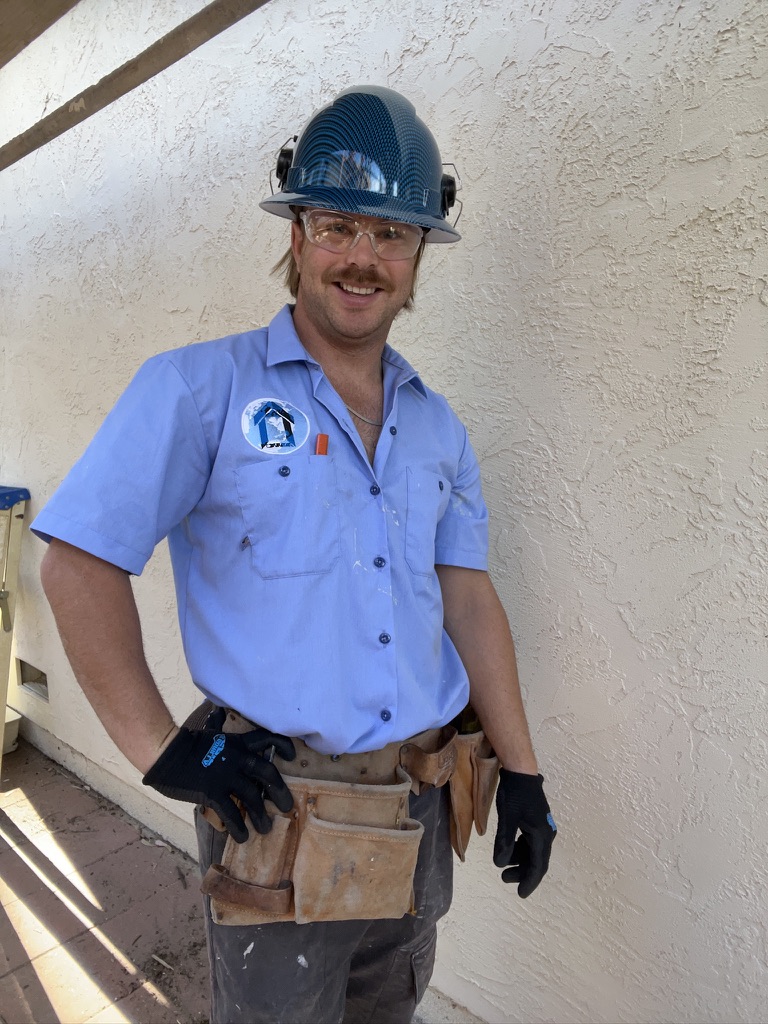
From All World Construction LLC
Owner: Austin Mitchell About Verify CSLB #1063936 Updated
Water near a shower, tub, balcony, exterior wall, or plumbing penetration may involve piping, drainage, sealants, waterproofing, or another connected system. The visible damage does not assign the source to one trade. Owners need a review that compares timing, location, accessible evidence, and test limits before authorizing repair or finish replacement.
Start with facts and immediate safety
Keep people clear of active water near electrical equipment, visibly sagging ceilings, and unstable finishes. Use only a known, safe, accessible water shutoff when appropriate, and never force a valve. Do not remove tile, membrane, drains, or wall finishes to investigate.
Record where water appears, whether it is active, what happened beforehand, and whether weather or fixture use was involved. A stain after shower use and a stain after rain are different histories, but neither history alone identifies the failed assembly.
Organize the competing questions
Ask which plumbing components can be inspected or tested without disturbing finishes and which waterproofed areas meet the symptom location. Include prior remodels, fixture replacements, sealant work, and repairs. State which records are available and which concealed details remain unknown.
A good evaluator labels observations, possible paths, and excluded systems separately. Avoid a proposal that calls every wet-area symptom a plumbing leak or assumes surface sealant is the source without supporting evidence.
Sequence testing and selective access
The contractor should explain what each test is intended to distinguish and how the area will be protected. Testing should be controlled by the appropriate qualified party; owners should not improvise flooding, hose, pressure, or invasive tests.
If selective access is recommended, define the first opening, documentation, stopping point, and approval for expansion. Consider restoration difficulty when choosing between drywall, tile, cabinet, ceiling, or exterior access.
Assign scopes after evidence is developed
Once the supported source and repair boundary are understood, identify the plumbing, waterproofing, tile, framing, drywall, texture, paint, or other work required. Keep each trade boundary tied to the documented repair rather than assumptions about a hidden source.
Require a handoff before finishes conceal the area. The handoff should identify work performed, testing, accessible conditions, remaining limitations, and any drying or follow-up needed. Record who can authorize added work.
Choose a written multi-trade plan
Compare proposals by the question answered, evidence used, access, repair boundary, finish restoration, and exclusions. The best plan makes uncertainty visible and gives the owner a controlled next decision.
AWC can coordinate multi-trade water investigations. When the source, access, or trade boundary remains unclear, AWC recommends the $250 Site Evaluation + Written Bid Package. The $250 is credited back when the quoted work is approved within 30 days. Call 619-327-9513 or request it through allworldconstructions.com.
Planning checklist
- The water symptom and its timing are documented safely.
- Plumbing and waterproofing questions are kept open until supported.
- Each test has a stated purpose and limit.
- Selective access requires a location, stopping point, and authorization.
- Source repair, finish restoration, and trade handoffs are written separately.
Questions owners ask
Can the stain location identify the responsible trade?
No. Water can move before becoming visible. The evaluation should connect timing, accessible evidence, and controlled testing to the recommended scope.
Should surface sealant be replaced first?
Only when the field review supports that limited scope. A quick surface treatment can obscure evidence while leaving another source unresolved.
What if more than one trade may be involved?
Use one written sequence that identifies the evidence needed, the first evaluation step, each trade boundary, and the approval point before finishes are restored.
AWC source library
Related field guidance
AWC article
What San Diego Property Managers Should Do After a Tenant Reports
Organize the first report, occupied-space access, documentation and the separate repair and restoration stages.
AWC article
Common Questions Property Managers Ask a General Contractors
Questions about coordinating repairs, communication and documentation for managed properties.
AWC article
Behind AWC: The Part of Contracting You Don’t Usually See
Austin explains investigation, trade coordination, customer communication and documented decisions.